|
This newsletter edition brings a look at GCNF’s recent work—at home and around the world. You’ll find highlights from our global and local engagements, an official announcement on the 2026 Global Child Nutrition Forum (and resources to learn more about Zambia's school meal program!), and key projects we’ve contributed to, including Global Survey of School Meal Programs data integration and collaboration with the World Bank, and the new COP30 brief: The Power of Public Food Procurement to Deliver for Climate.
|
|
|
|
An Investment in Children’s Future: Shining a Light on School Meals Data
|
|
|
GCNF Local to Global: Events and Activities
|
|
Over the past few months, GCNF has had the opportunity to present, connect, and share the importance of school meal programs with both new and familiar audiences around the world. From international gatherings to local conversations in the U.S. and our home community in Seattle, we’ve been working to elevate the global value of school meals.
Explore LinkedIn highlights from some of our recent activities:
|
|
|
Lusaka, Zambia to Host the 2026 Global Child Nutrition Forum
|
|
The Global Child Nutrition Foundation (GCNF), in partnership with the Government of the Republic of Zambia, announces that the 2026 Global Child Nutrition Forum will take place in Lusaka in early November 2026.
As the world’s leading event focused on strengthening school meal programs, the Forum will bring together government leaders, technical experts, and partners from around the world to share innovations and advance efforts to ensure every child receives nutritious school meals.
|
|
|
At the Global Child Nutrition Foundation, we don’t serve meals directly—but we help make them possible. GCNF works behind the scenes to equip governments, schools, and local partners with the data, tools, and policy support needed to expand and sustain effective school meal programs.
Behind every school meal is a community of partners making it possible. This giving season, we’d be grateful for your support, whether you give or help amplify our message.
|
|
|
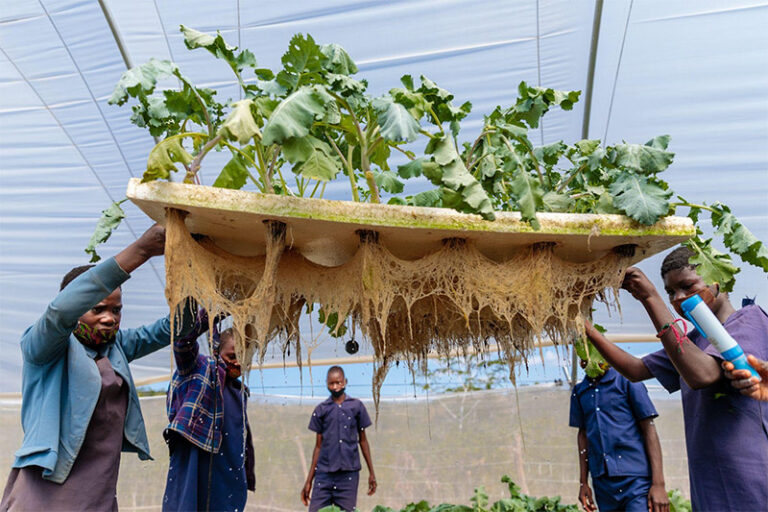
Enhancing School diets through climate-smart vegetable production
CGIAR
|
|
|
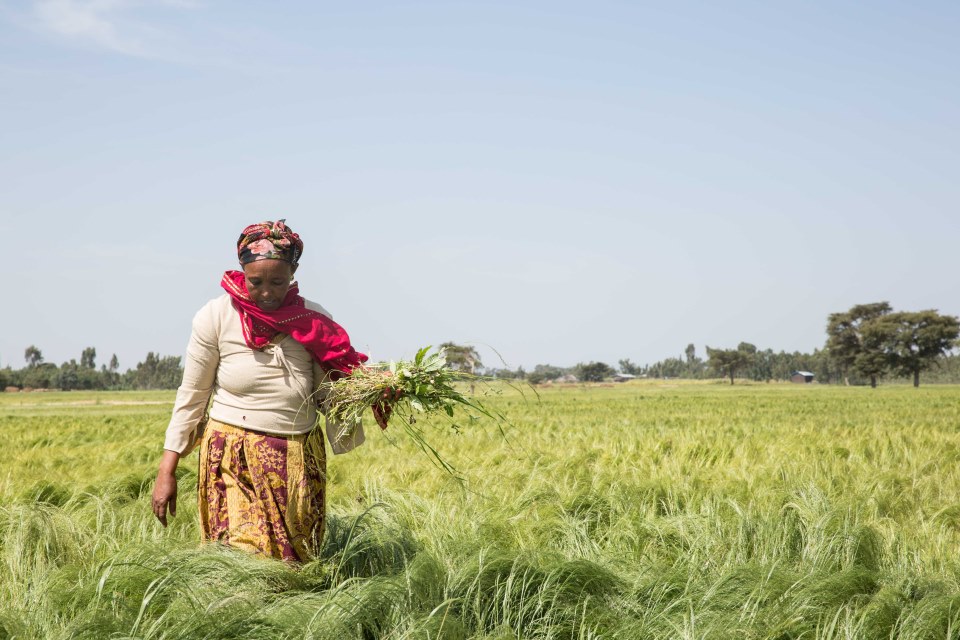
The home-grown school feeding (HGSF) model plays a huge role in ensuring that feeding programs are sustainable in the long run. Under the CGIAR Food Frontiers and Security Program (FFSP), IITA is working with a number of schools in Nairobi to incorporate the HGSF model towards transforming school spaces into thriving hubs.
|
|
|
Trends in National-Level School Feeding Policy Objectives Worldwide: Japan and Multiple Countries
Takeshi Akiyama, Sachi Tomokawa, Mika Kigawa, Fumiko Shibuya, Mami Hitachi, Yuko Teshima, Luna Shimabukuro, Tomoko Hato, Aiko Inoue, Akira Kurishima, Eri Mochimaru, Juri Murata, Noriko Saito, Sachi Tensho, Kenzo Takahashi & Jun Kobayashi
This study examined school feeding policy objectives across multiple countries, drawing on data from the Global Survey of School Meal Programs, and identified 23 relevant policies. The objectives were classified into five domains: health and nutrition, education, social protection, agriculture, and other areas. Japan is particularly notable for distinctive aims, including enhancing school life, fostering sociability and cooperation, promoting appreciation of nature, and cultivating respect for life and the natural world.
|
|
|
COP30 Brief | The Power of Public Food Procurement to Deliver for Climate
Hunter, D., Nehring, R., Schneider, S., Gelli, A., Swensson, L., Torregroza, G., Mitchell, A., Milani, P., Santos, K., Noegroho, A., Purnama, K.A.W. and Sujarwo, W. 2025. The power of public food procurement to deliver for climate. CGIAR Issue Brief Series for Informing COP 30. Montpellier, France: CGIAR.
This brief underscores what we see every day in our work: school meal programs are not only investments in children’s health and education, but also powerful tools for climate resilience and local economic development.
|
|
|
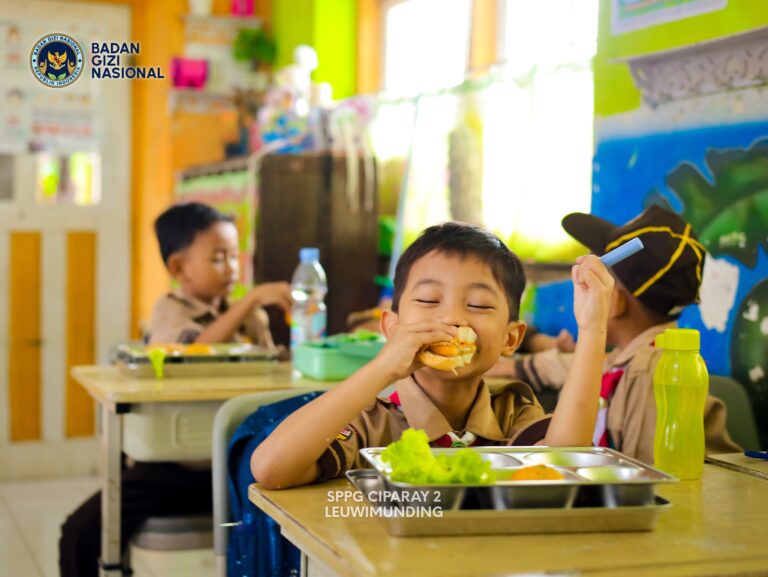
Collective Effort for a Brighter Future: Indonesia’s Journey Toward Free Nutritious Meals
Blog by: Arfisha Muwahidah, GCNF Intern, MSPH Student at Johns Hopkins Bloomberg School of Public Health
"My students could not bring meals to school because they only have one time to eat in a day”, shared a teacher from a junior high school in Bandung City, West Java—the heart of Indonesia’s most populated province.
This simple statement reveals a complex truth: solving nutrition and health challenges requires more than one solution. It requires multiple, coordinated, and thoughtfully designed interventions working in partnership across sectors. It takes a village, as they say. This is the story of how Indonesia came to understand that lesson —and what they did about it.
|
|
|
Joint Statement: Civil Society Calls for Urgent Action to Ensure Every Child Receives a Healthy School Meal by 2030
GCNF is proud to support the School Meals Coalition’s (SMC) Civil Society Organisation (CSO) Network, in amplifying the role of civil society in advancing school meal programs. As a steering committee member of the SMC CSO Network for School Meals, we are pleased to share the joint statement and accompanying press release, that was issued ahead of the 2nd Global Summit of the School Meals Coalition.
|
|
- Increasing effectiveness of school meals in humanitarian settings: Situation & Context Analysis | January 19th, 2026 | Register
- Evidence-Informed Impact: Unpacking the Untapped Potential of the School Feeding Labor Force | January 28th, 2026 | Register
|
|
|
|
|
|









No comment yet, add your voice below!