
Beyond the Meal: The Women Who Power School Feeding Worldwide
IN RECOGNITION OF INTERNATIONAL WOMEN’S DAY 2026
By Jintana Malisueng White, GCNF Consultant & Leland International Hunger Fellow
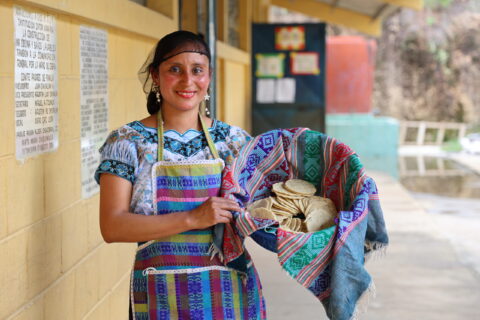
Every school day, millions of women make it possible for a child to receive a meal at school. They grow the food, cook the meals, manage supply chains, and uphold hygiene standards for school meal programs around the world- in many instances, on a volunteer basis. From the community kitchens of Botswana to the procurement cooperatives of Brazil, women are the backbone of one of the world’s most impactful public investments in children. Globally, 91% of school meal programs report that at least half their cooks and caterers are women, yet one in four programs reports that none of them receive any payment.
This International Women’s Day, it is worth pausing to see them – not only as a workforce, but also professionals who deserve recognition and a seat at the table.
A Workforce That Spans the Globe
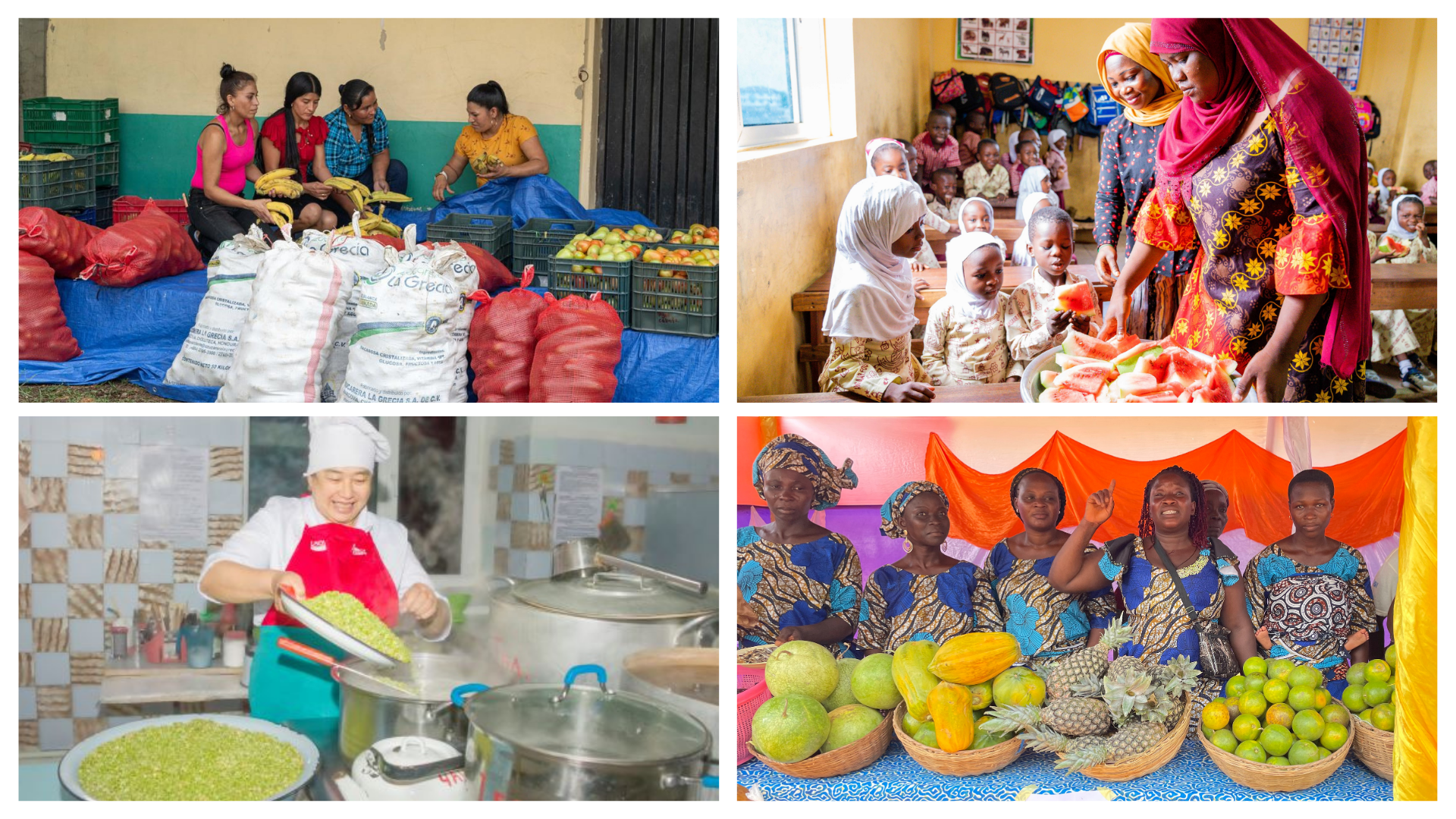
Women are at the center of the school feeding workforce, and this holds across very different national contexts. In the United States, 94% of the estimated 339,000 school foodservice workers are women, compared to 42% of the general workforce. In South Africa, 75 to 99% of the 61,392 workers delivering meals to 9.6 million learners under the National School Nutrition Programme are women. The GCNF 2024 Global Survey of School Meal Programs, drawing on data from over 160 countries, further found that 30% of programs reported an all-female cooking workforce.
The ways programs recognize and invest in women differ by context, through leadership roles in Bangladesh, vocational training in Syria, cooperative farming in Burundi, and paid cook positions in Cambodia, yet in each case women remain the primary labor force keeping school meals running.
This International Women’s Day, it is worth pausing to see them – not only as a workforce, but also professionals who deserve recognition and a seat at the table.
From Volunteerism to Profession: Botswana’s Journey
Botswana offers a compelling example of how women’s labor in school feeding can evolve from informal care work into a recognized profession. When the program launched in 1966, women cooked meals as volunteers, shouldering community responsibility. Today, over 10,000 are permanent, pensionable employees and more than 29,000 are contracted suppliers. In sorghum hand-stamping alone, 3,002 out of 3,003 workers are women. The country is now developing vocational certification in nutrition management and food safety, a trajectory Vanity Mafule, Assistant Director Ministry of Local Government and Traditional Affair of Botswana presented at a recent IFPRI and GCNF webinar on the school feeding labor force.
Procurement as an Equity Tool
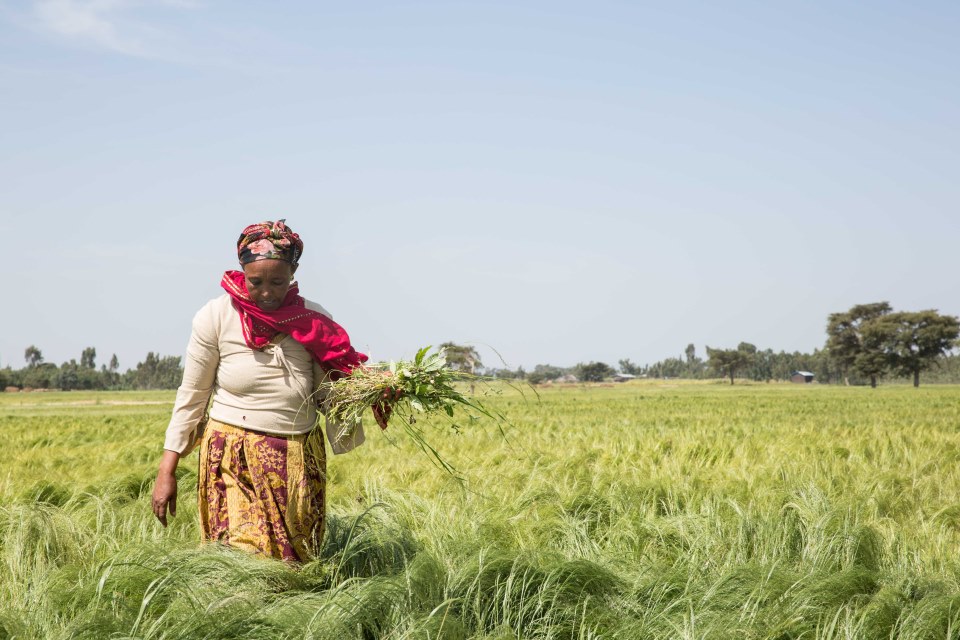
Beyond the kitchen, women are also reshaping how school food is sourced. In Brazil, the National School Feeding Program (PNAE) requires that at least 30% of school meal funding go to family farms, a mandate established by Law 11.947/2009, which also requires that at least 50% of individual family farm purchases be registered in a woman’s name. A 2023 update extended this priority to women-led producer groups. In Burundi and Cambodia, women have organized into agricultural cooperatives to meet the volume and consistency demands of school procurement, transforming from subsistence producers into formal government suppliers.
The Recognition Gap
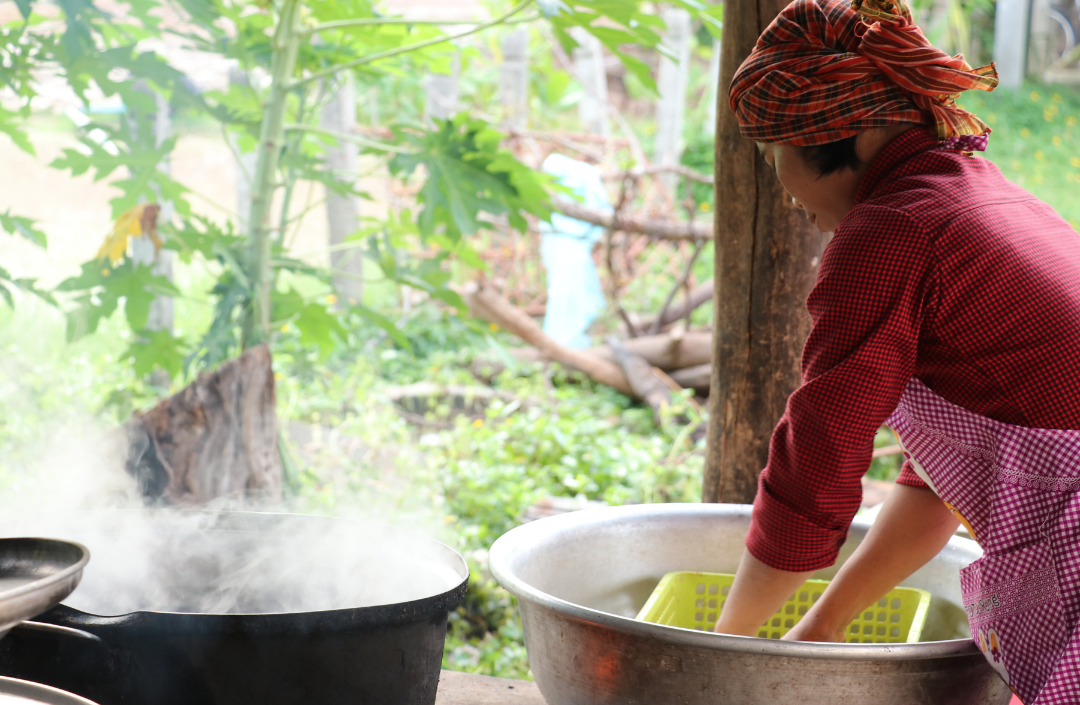
Despite their numbers and the critical nature of their work, many women in school feeding remain in informal or temporary arrangements. In South Africa, the Labour Research Service has documented how the country’s 61,000 food handlers, all of whom are women, operate as “volunteers” under two-year public works contracts, earning a monthly stipend approximately 35% below the national minimum wage, with limited access to benefits and no formal job security. Botswana reflects a similar dynamic, where advocates are calling for greater job security beyond the current one-year contract arrangements.
These cases are not isolated. The 2024 GCNF Global Survey estimates at least 2.2 million cooks and caterers working in school meal programs worldwide, yet one in four programs reports that none of them receive any payment. The labor that sustains school feeding is often treated as informal care work rather than skilled employment, leading to this work being overlooked in formal labor frameworks.
A Call for Recognition
School meal programs served more than 407 million children in the 2022 school year in the 142 countries responding to the latest Global Survey. The women who make that possible; cooks, food handlers, cooperative farmers, program managers are not a footnote to this achievement. They are its foundation.
Recognizing these women means more than acknowledgment. It means standardized wages, social protection, vocational credentials, and a voice in program design. It means procurement systems that see women-led producers as partners. And it means investing in data so that the women critical to every school meal are counted and heard.
When we recognize the woman behind the meal, we strengthen the entire system that depends on her.
About the Author
Jintana is a GCNF Consultant, and a recipient of the Mickey Leland International Hunger Fellowship 2025 – 2027.
She is a humanitarian and development professional specializing in poverty, social protection, and food security for vulnerable and conflict-affected communities. She supports GCNF’s policy, partnerships, and advocacy for child nutrition globally. Jintana holds an MA in Poverty and Development from the Institute of Development Studies, University of Sussex, in the UK.
Sources
- Global Child Nutrition Foundation (GCNF). 2022. School Meal Programs Around the World: Results from the 2021 Global Survey of School Meal Programs. Accessed at survey.gcnf.org/2021-global-survey.
- Congressional Research Service. (2022). The school foodservice workforce: Characteristics and labor market outcomes(CRS Report R47199). https://crsreports.congress.gov/product/pdf/R/R47199
- Labour Research Service. (2022–2025). National School Nutrition Programme: Volunteer Food Handler Series. lrs.org.za.
- Global Child Nutrition Foundation (GCNF). 2024. School Meal Programs Around the World: Results from the 2024 Global Survey of School Meal Programs. Accessed at https://gcnf.org/global-reports/.
- International Food Policy Research Institute (IFPRI). (n.d.). Evidence-informed impact: Unpacking the untapped potential of the school feeding labor force [Event]. IFPRI. https://www.ifpri.org/event/evidence-informed-impact-unpacking-the-untapped-potential-of-the-school-feeding-labor-force/
- Brazil, Law No. 11.947/2009 on the National School Feeding Program (PNAE) Family Agriculture Procurement Mandate. (2009).




No comment yet, add your voice below!